What Is MGO Board?
MGO board — short for Magnesium Oxide board — is a mineral-based construction panel manufactured from magnesium oxide (MgO), magnesium chloride (MgCl₂), water, and reinforcing materials such as perlite, wood chips, or fiberglass mesh. The result is a dense, rigid sheet that resists fire, moisture, mold, and impact without relying on gypsum, cement, or organic binders.
Originally developed in China during the 1990s and refined extensively over the following decades, MGO board has become a mainstream alternative to traditional drywall and cement board across residential, commercial, and industrial construction projects worldwide. Today it is widely specified by architects, contractors, and green building consultants for applications ranging from interior wall sheathing to exterior cladding substrates.
The board's chemistry is straightforward: when magnesium oxide reacts with a magnesium chloride brine solution, it forms sorel cement — a binder that is inherently non-combustible and highly resistant to biological growth. Reinforcing fibers embedded in the panel prevent cracking under thermal or structural stress, giving MGO board a mechanical profile that outperforms gypsum wallboard in nearly every demanding environment.
How MGO Board Is Made: Composition and Manufacturing
Understanding the raw materials explains why MGO board performs the way it does in real-world applications.
Core Ingredients
- Magnesium Oxide (MgO, 45–60%) — the primary binder, calcined from magnesite ore at 700–1,000 °C. Purity and calcination temperature directly affect the board's strength and moisture sensitivity.
- Magnesium Chloride (MgCl₂, 20–30%) — dissolved in water to form the activating brine that reacts with MgO to produce sorel cement.
- Perlite or wood-wool filler (10–20%) — lightweight aggregate that improves insulation value and reduces overall panel weight.
- Fiberglass mesh (inner and outer layers) — woven alkali-resistant glass fabric that acts as rebar, dramatically increasing tensile strength and preventing delamination.
- Surface coating — most boards receive a polymer or acrylic skin for improved smoothness, paintability, and reduced surface moisture absorption.
The Manufacturing Process
Batched raw materials are mixed into slurry, cast continuously onto a moving fiberglass mesh belt, and sandwiched with a second mesh layer before passing through compression rollers. Panels cure at ambient temperature for 24–48 hours, then undergo forced drying to drive off residual chloride ions — a critical quality-control step. Poorly dried boards retain excess MgCl₂, which causes moisture pickup and the surface sweating ("blistering") problems reported in early-generation products. Reputable manufacturers test chloride content, density, and modulus of rupture on every production batch to meet international standards.
Key Properties and Technical Specifications
The table below summarizes typical performance data for a standard 12 mm construction-grade MGO board. Values vary by manufacturer and board grade.
| Property |
Typical Value (12 mm) |
Standard / Test Method |
| Density |
0.9–1.1 g/cm³ |
EN 323 |
| Modulus of Rupture |
≥ 9 MPa |
EN 310 |
| Fire Rating |
Class A1 / A2 non-combustible |
EN 13501-1 / ASTM E136 |
| Thermal Conductivity |
0.21–0.28 W/(m·K) |
ISO 8301 |
| Sound Reduction Index |
28–35 dB (depends on assembly) |
ISO 717-1 |
| Water Absorption (24 h) |
≤ 10% |
EN 317 |
| Formaldehyde Emission |
Zero / not detectable |
EN 717-1 |
| Available Thickness |
3 mm – 25 mm |
— |
| Standard Sheet Size |
1,220 × 2,440 mm (4′ × 8′) |
— |
Typical technical specifications for standard construction-grade MGO board (12 mm). Values may vary by manufacturer and production batch.
Top Benefits of MGO Board in Modern Construction
1. Superior Fire Resistance
MGO board carries a Class A1 non-combustible rating under EN 13501-1, the most demanding European fire classification. It does not ignite, produce toxic smoke, or contribute to flame spread. In ASTM E136 furnace tests it withstands temperatures exceeding 1,000 °C without structural failure, making it the material of choice for fire-rated wall assemblies, stairwell enclosures, and shaft linings where building codes impose strict fire-resistance periods of 60–120 minutes or more.
2. Exceptional Moisture and Humidity Resistance
Unlike gypsum drywall — which can absorb up to 25% of its weight in water and begin deteriorating within hours of wetting — quality MGO board absorbs less than 10% moisture after 24-hour immersion and retains full structural integrity after drying. This makes it ideal for wet areas including bathrooms, commercial kitchens, swimming pool enclosures, basement walls, and façade substrates in high-humidity climates.
3. Zero Mold and Mildew Growth
The alkaline pH of sorel cement (typically pH 10–12) creates an environment hostile to mold, mildew, and bacteria. MGO board achieves a score of 0 on the ASTM D3273 mold resistance test — the highest possible rating. In regions with hot, humid climates or in buildings that have experienced water intrusion events, this property dramatically reduces remediation costs and indoor air quality concerns.
4. Pest and Termite Resistance
Because MGO board contains no organic wood fibres in its core matrix, termites and wood-boring insects find nothing to eat. This distinguishes it from fibre cement board and wood-based panels such as OSB or plywood, which remain vulnerable to insect damage regardless of surface treatment. For projects in tropical or subtropical regions, this characteristic alone can justify the specification.
5. High Impact and Flexural Strength
The fiberglass mesh reinforcement gives MGO board a modulus of rupture typically 2–3× higher than standard gypsum drywall of the same thickness. A 12 mm panel can withstand significant point-load impacts without cracking or crumbling, reducing punch-through damage in high-traffic corridors, gymnasiums, and school corridors. Thinner MGO boards (4–6 mm) can also be flexed around curved substrates with a minimum bend radius of approximately 600 mm.
6. Lightweight Relative to Performance
At roughly 11–13 kg/m² for 12 mm thickness, MGO board is significantly lighter than traditional cement board (16–20 kg/m²) and concrete backer board, reducing dead load on structural frames, lowering transportation costs, and making single-person installation feasible in most applications.
7. Eco-Friendly and Low-Carbon Profile
Magnesite ore is abundant globally, and MgO production emits roughly 60% less CO₂ than Portland cement clinker manufacturing. MGO board contains no formaldehyde, asbestos, silica dust at hazardous levels, or heavy metals, meeting stringent VOC-emission standards required for LEED, BREEAM, and Green Star certifications. At end-of-life, panels can be crushed and returned to soil as a low-grade amendment without environmental harm.
MGO Board vs. Other Wall Panel Materials
Choosing the right substrate material requires weighing performance, cost, workability, and code compliance across the specific application. The comparison below covers the four panels most frequently specified as direct alternatives.
| Feature |
MGO Board |
Gypsum Drywall |
Cement Board |
Fibre Cement Board |
| Fire Rating |
A1 Non-combustible |
A2 / Class 1 |
A1 Non-combustible |
A2 / Class 1 |
| Moisture Resistance |
Excellent |
Poor |
Good |
Good |
| Mold Resistance |
Excellent (pH ≥ 10) |
Poor |
Good |
Moderate |
| Weight (12 mm) |
~12 kg/m² |
~9 kg/m² |
~18 kg/m² |
~14 kg/m² |
| Impact Strength |
High |
Low |
High |
Moderate |
| Ease of Cutting |
Easy (score & snap) |
Very easy |
Difficult (diamond blade) |
Moderate |
| Formaldehyde |
Zero |
Zero |
Zero |
Trace |
| Relative Material Cost |
Medium–High |
Low |
Medium |
Medium |
Comparative overview of MGO board vs. common wall panel alternatives across key performance criteria.
The practical takeaway: MGO board is not the cheapest option per sheet, but its multi-hazard resistance eliminates the need for separate waterproofing membranes, mold treatments, or fire-resistant coatings in many assemblies — often reducing total installed cost and long-term maintenance spend.
Common Applications of MGO Board
MGO board's multi-hazard resistance makes it suitable across an unusually wide range of building elements:
Interior Wall and Ceiling Sheathing
In light-gauge steel framing and timber stud wall assemblies, 12–15 mm MGO board replaces standard drywall wherever fire-resistance ratings, moisture exposure, or mold risk are elevated concerns. It accepts skim coat, tile adhesive, wallpaper, and direct paint finishes with standard preparation.
Wet Areas: Bathrooms, Kitchens, and Pools
As a tile backer board, 6–12 mm MGO board outperforms traditional cement backer in humid environments because it is lighter, easier to cut, and maintains bond strength with tile adhesive even after repeated wetting-and-drying cycles. It is fully compatible with large-format porcelain tile and natural stone.
Exterior Façade Substrate and Cladding
Thicker grades (15–20 mm) serve as an exterior wall sheathing layer behind rainscreen cladding systems, EIFS/external insulation, or direct-applied renders. The panel's resistance to freeze-thaw cycling and UV-stabilized coatings on premium grades support decades of service life in exposed conditions.
Modular and Prefabricated Construction
Offsite construction companies use MGO board as the structural skin of sandwich panel systems, combining it with EPS, PUR, or mineral wool cores to create high-performance wall and floor cassettes. The board's dimensional stability and screw-holding strength make it compatible with automated manufacturing lines.
Flooring Underlayment
At 15–25 mm, MGO board provides a flat, moisture-resistant, and acoustically dampening underlayment for timber, LVT, or ceramic floor finishes — particularly over underfloor heating systems where dimensional stability under cycling temperatures is critical.
Fire-Rated Shaft and Duct Linings
Because MGO board is genuinely non-combustible, it is widely specified by mechanical engineers for enclosing HVAC ducts, service shafts, and electrical riser cupboards in buildings where 60–120 minute fire-rated enclosures are mandated by code.
How to Install MGO Board: Step-by-Step Guide
MGO board installs using familiar drywall tools and techniques, though a few differences in handling should be observed.
- Acclimate the boards. Store panels flat in the installation environment for at least 24 hours to allow moisture equilibration with ambient conditions, reducing post-installation movement.
- Measure and cut. Score with a utility knife and straight edge, then snap — identical to gypsum drywall. For curved cuts, use a jigsaw or circular saw fitted with a carbide-tipped blade. Always cut with the coated face up and wear a dust mask.
- Fix to framing. Use corrosion-resistant (zinc-plated or stainless) self-drilling screws, minimum 25 mm long into steel framing or 35 mm into timber. Space fixings at 200–300 mm centres along edges and 400 mm in the field. Countersink heads flush without over-driving.
- Leave expansion gaps. Maintain a 2–3 mm gap at perimeters, abutments with floors/ceilings, and at panel joints to accommodate thermal and moisture movement. Fill gaps with flexible sealant, not filler.
- Joint treatment. Apply alkali-resistant fiberglass mesh tape over butt joints and embed in a flexible joint compound or polymer-modified render. Feather edges 150–200 mm each side. MGO board does not accept standard gypsum-based jointing compounds without priming.
- Prime before finishing. Apply a dedicated MgO primer or diluted PVA before painting, tiling, or rendering. This seals the mildly alkaline surface and improves finish adhesion significantly.
Potential Drawbacks and How to Address Them
MGO board is not without limitations, and understanding them protects specifiers from misapplication:
- Chloride sweating in early-generation boards. Poorly dried panels from low-quality manufacturers can leach magnesium chloride brine to the surface under high-humidity conditions, causing staining, blistering, and corrosion of adjacent steel. Solution: always source from certified manufacturers who publish chloride ion content test data (target < 15% molar ratio MgCl₂/MgO).
- Incompatibility with gypsum-based compounds. Standard drywall compounds are not alkaline-tolerant and may fail to adhere or discolour over time. Solution: use polymer-modified or MgO-specific joint compounds and always prime before applying finishes.
- Higher material cost than standard drywall. MGO board typically costs 30–60% more per sheet than equivalent gypsum drywall. Solution: evaluate total-system cost, accounting for eliminated waterproofing layers, reduced callback risk, and longer service life.
- Limited availability in some markets. Unlike gypsum drywall, MGO board is not yet stocked universally at general building merchants. Solution: source directly from specialist importers or distributors, and plan lead times accordingly for large projects.
- Heavier than gypsum drywall. At roughly 12 kg/m² for 12 mm thickness versus 9 kg/m² for standard drywall, MGO board requires more care in overhead ceiling installation and increases handling fatigue on large projects. Solution: use board lifters and plan crew rotations accordingly.
Certifications and Standards to Look For When Buying MGO Board
Not all MGO boards on the market are equal. Quality varies enormously between manufacturers, and purchasing decisions based solely on price per sheet routinely lead to performance failures. When evaluating suppliers, request documentation for the following:
- EN 13501-1 (Europe) — fire classification certificate issued by an accredited third-party laboratory, not a self-declaration
- ASTM E136 / ASTM C1325 (North America) — non-combustibility and cementitious backer unit standard
- CE Marking (Europe) — Declaration of Performance confirming third-party tested values for density, flexural strength, and moisture resistance
- ASTM D3273 — mold resistance test result of Score 10 (no growth)
- ISO 9001 — manufacturing quality management certification for the production facility
- Chloride content data — internal QC report showing MgCl₂ molar ratio and free chloride ion concentration per production batch
- GREENGUARD Gold or equivalent VOC certification — confirms suitability for schools, healthcare, and sensitive-occupancy buildings
Frequently Asked Questions About MGO Board
Is MGO board waterproof?
MGO board is highly water-resistant but not fully waterproof. It can be exposed to intermittent water contact and high-humidity environments without structural degradation. For fully submerged or direct water-contact applications (e.g., swimming pool interiors, shower floors), a liquid tanking membrane should be applied over the board before tiling.
Can you tile directly onto MGO board?
Yes. MGO board is an approved tile substrate when prepared correctly. Apply a coat of diluted PVA or dedicated primer to the surface, allow to dry, then fix ceramic or porcelain tiles using a polymer-modified flexible tile adhesive. Standard cement-based adhesives also work if the board surface is pre-primed.
Can MGO board be used outdoors?
Yes, with the correct grade. Premium exterior-grade MGO boards include UV-stabilized surface coatings and optimised density to resist freeze-thaw cycling. They are commonly used as external sheathing boards behind ventilated façade cladding systems. Standard interior grades should not be left permanently exposed to driving rain.
How does MGO board compare to HardieBacker?
Both are cement-based tile substrates suitable for wet areas, but MGO board is typically lighter, easier to cut (score-and-snap vs. saw), and offers superior mold resistance due to its high-pH matrix. HardieBacker (fibre cement) has longer market history and broader code acceptance in North America, while MGO board is often preferred in European and Asian markets. Both are non-combustible.
What screws should be used with MGO board?
Always use zinc-plated or stainless steel self-drilling screws. The mildly alkaline environment of the board can accelerate corrosion of uncoated mild steel fixings over time, particularly in humid conditions. For exterior applications, Type 316 stainless steel screws are recommended.
Is MGO board suitable for underfloor heating?
Yes. MGO board is dimensionally stable under the cyclic heating and cooling of underfloor heating systems, unlike wood-based boards that can expand, warp, and delaminate tile finishes over time. It is widely used as an underlayment over electric and hydronic heating systems.




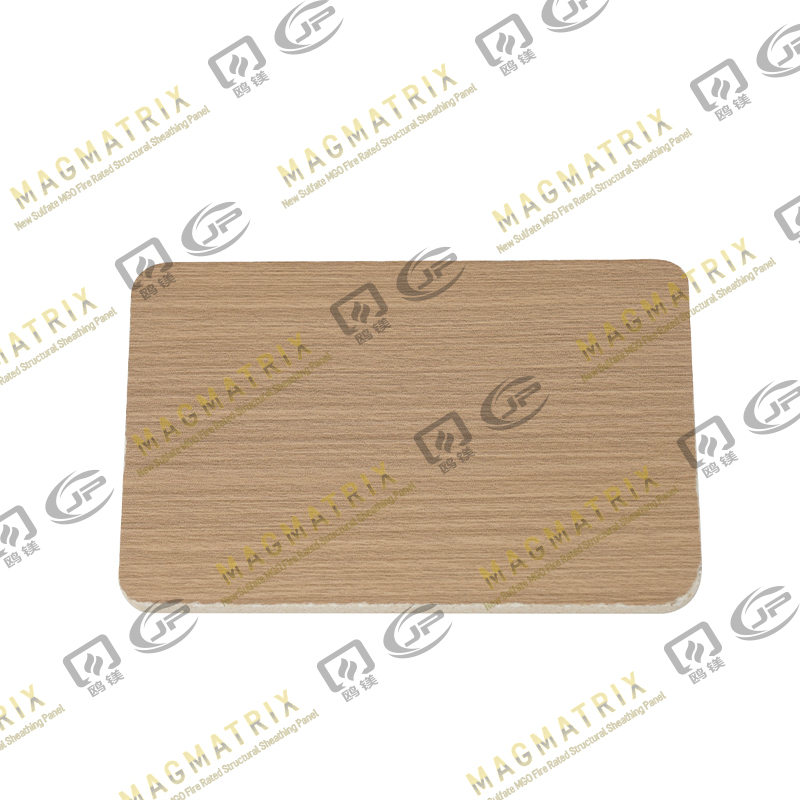
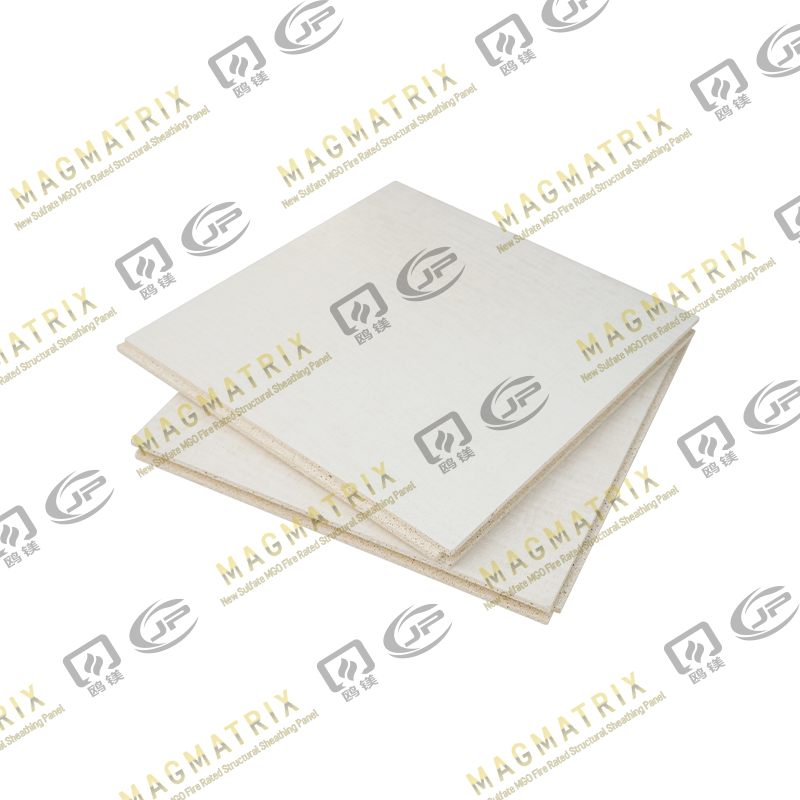
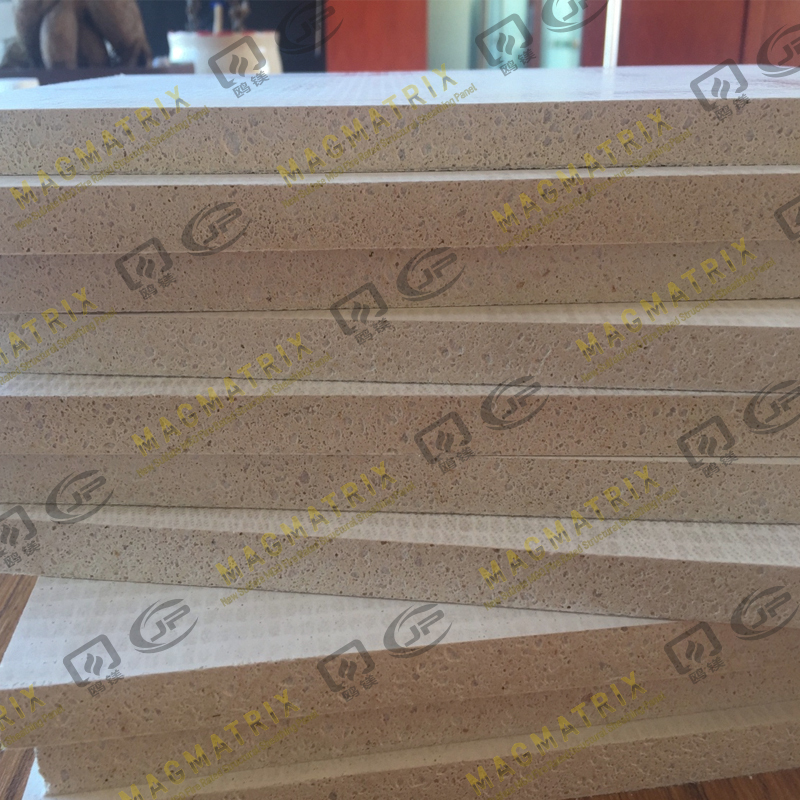 BMSC 517 هیئت مدیره New Sulfate MGO
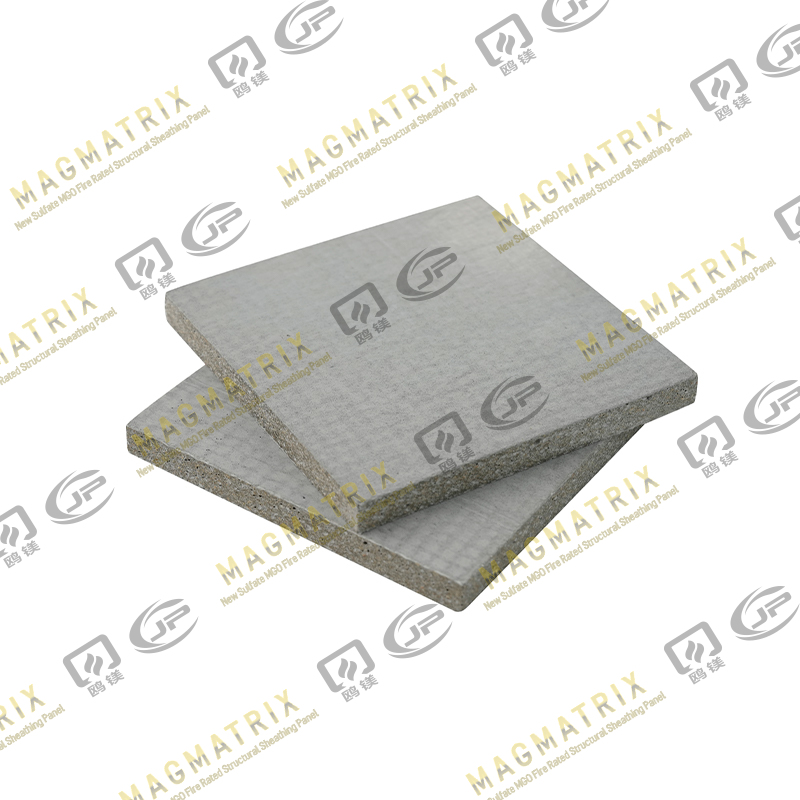 صفحه پوشش دیواری چند پشتیبانی MGO
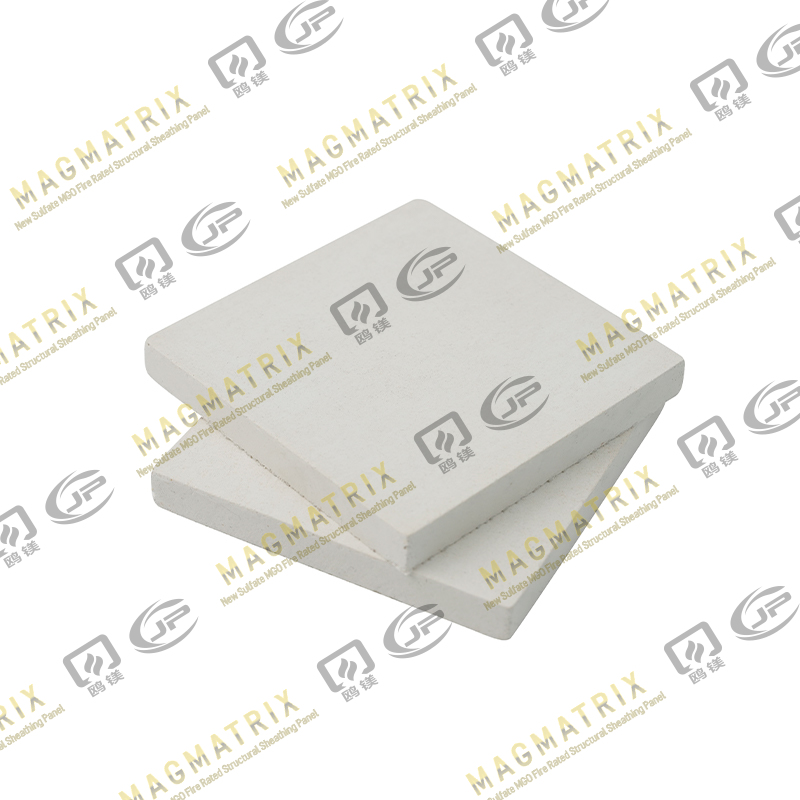 تابلوی لوازم جانبی دیواری MGO
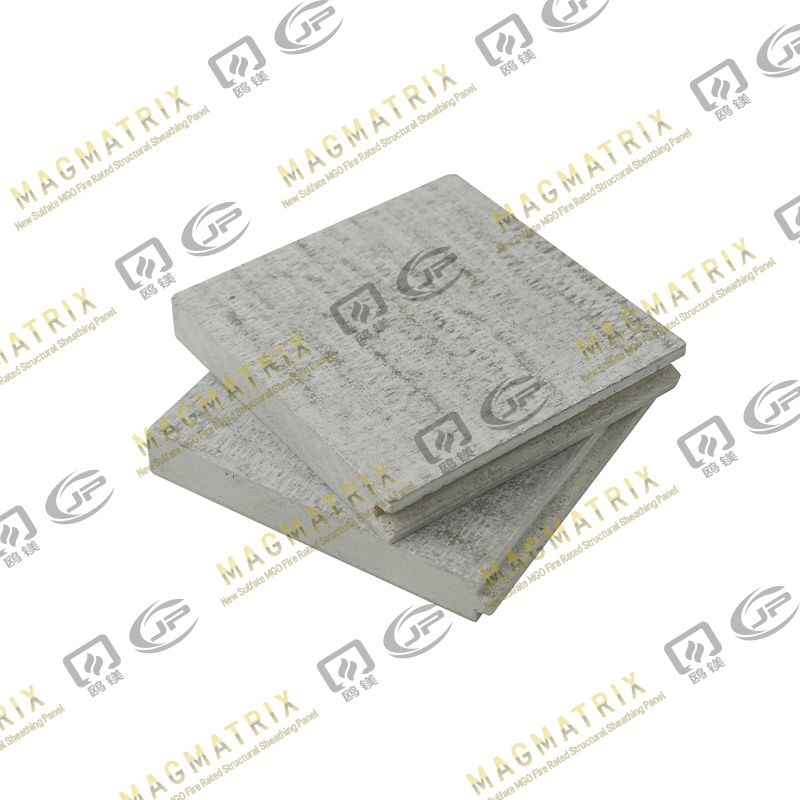 صفحه پوشش زیر کفپوش MGO چند پشتیبانی
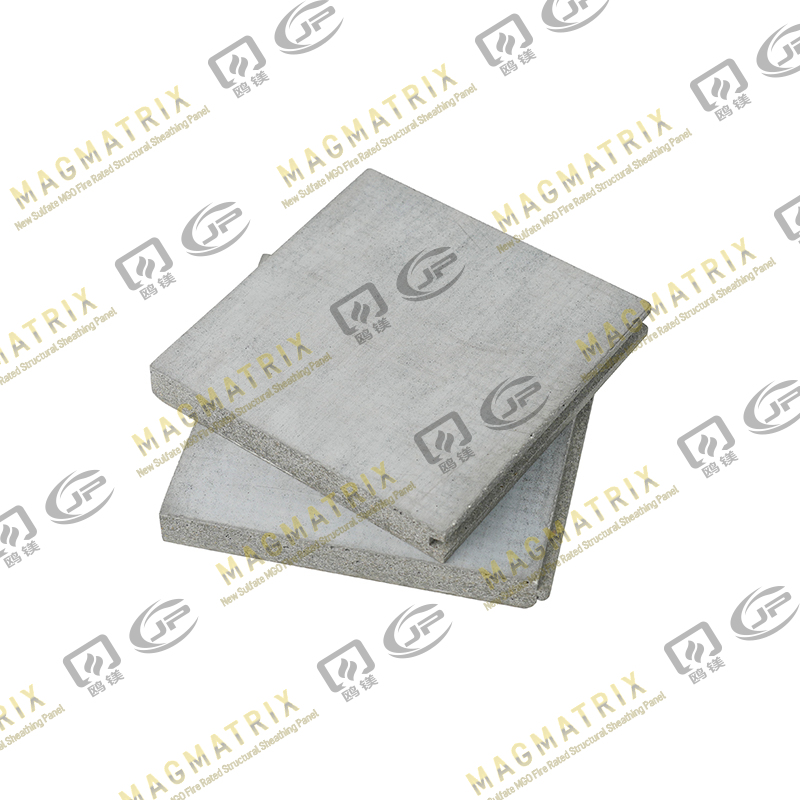 تابلوی غرق در زیر کف MGO MGO
 پانل/تخته زیر لایه Magmatrix MGO